


Sustainability
Living with wellbeing, building with awareness
Energy efficiency, SDGs compliance, Circular economy, Breeam, Wellbing
Efficiency energy
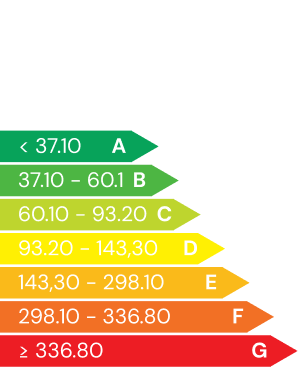
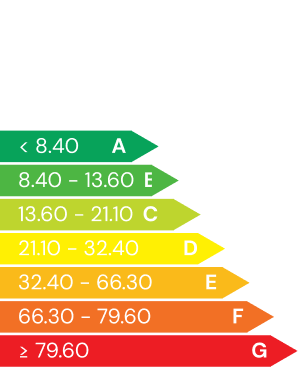
All spaces developed under the AnükHaüs seal will ALWAYS have double A energy rating. The spaces will have excellent thermal insulation, high performance windows, efficient air conditioning systems and the use of renewable energies. This translates into lower energy costs and bills.
CONSUMPTION OF NON-RENEWABLE PRIMARY ENERGY
[kWh/m2 yr] [kWh/m2 yr] [kWh/m2 yr] [kWh/m2 yr
CONSUMPTION OF NON-RENEWABLE PRIMARY ENERGY
[kWh/m2 yr] [kWh/m2 yr] [kWh/m2 yr] [kWh/m2 yr

Energy demand
40,1%

Water consumption
20,1 %

Total energy consumption
49,1 %

Irrigation
100 %
Improved efficiency energy
Compared to CTE requirements
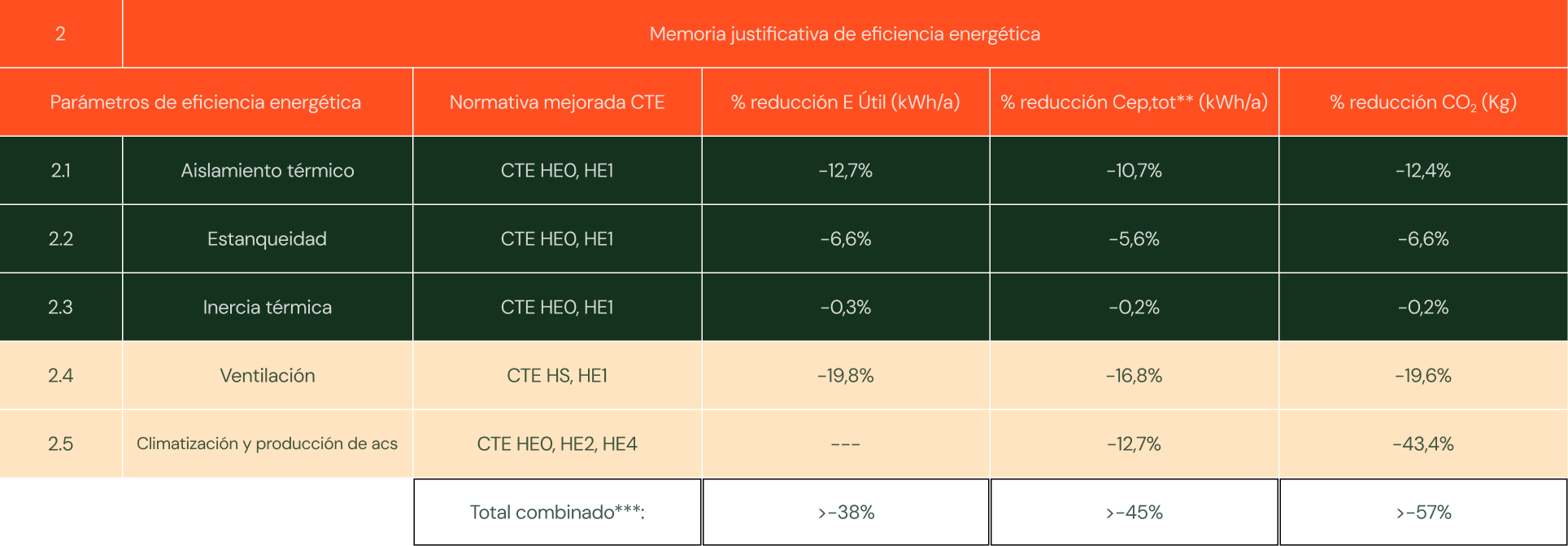
(*) Total reduction in useful energy (energy demand) combining improvements in thermal insulation, airtightness, thermal inertia and ventilation (air conditioning and hot water production are not counted since they do not minimize energy demand but reduce total primary energy consumption).
(**) Cep.tot= Total primary energy consumption (final energy x total to primary conversion factor).
(***) CO emission and primary energy conversion coefficients in force.

ENERGY
PRIMARY
Losses
Processes of:
- Transformation
- Transportation
– Distribución
ENERGIES
FINALS
Losses
Technical systems Demand for:
- Heating
- Refrigeration
- ACS
- Illumination
- Ventilation
- Humidity control
ENERGY
USEFUL
Energy transformation scheme (Source: CTE DB HE)
SDGs and targets
of sustainable development
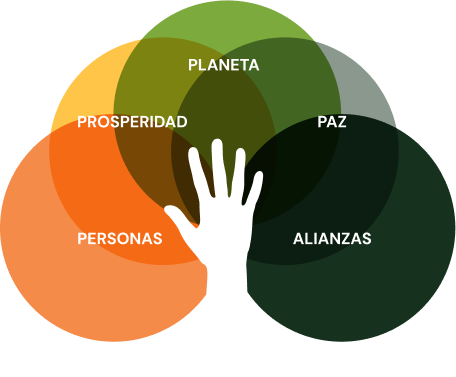
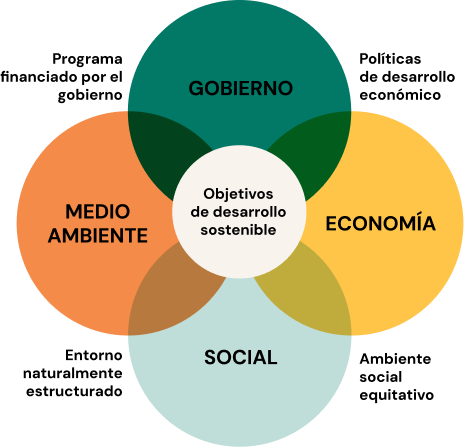
AnükHaüs is committed to the fulfillment of the Sustainable Development Goals, with special emphasis on:

PRODUCT
we provide solutions for a better tomorrow
PROCESS
we reduce our impact on the environment
PEOPLE
for the benefit of our teams and communities
Circular economy
in the sector of the construction
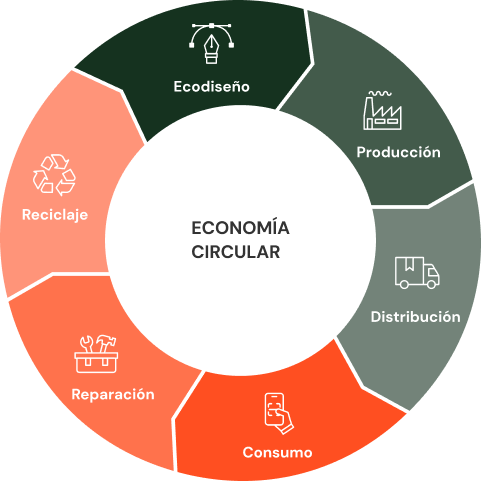
Circular economy in all phases of the project
PLANNING AND DESIGN PHASE
- Eco-design principle: more durable, higher quality, easy maintenance, high comfort and low consumption.
- Preferential use of recycled-based materials by studying their life cycle.
- Minimize water consumption.
- Digitization of construction favoring collaborative work between agents, more controlled production and work planning, use of BIM methodology.
IMPLEMENTATION PHASE
- Reduction of more than 60% of waste.
- Controlled manufacturing without surplus: only what is needed is manufactured.
USE AND MAINTENANCE PHASE
- Predictive maintenance through data.
- More durable materials.
- Extended warranties Partners
WASTE MANAGEMENT AND RECYCLING PHASE
- The materials chosen all have a high degree of recyclability so that once their life cycle is over they re-enter the circuit.
Principles of
circular economy
- Uses the minimum amount of natural resources.
- Select resources intelligently.
- Efficiently manages the resources used.
- Minimizes environmental impacts.
The construction sector generates:
γ The 50% of the extracted materials.
γ 50% of energy used.
γ 25% of water consumed.
γ 25% of waste generated.
Buildings with the possibility of
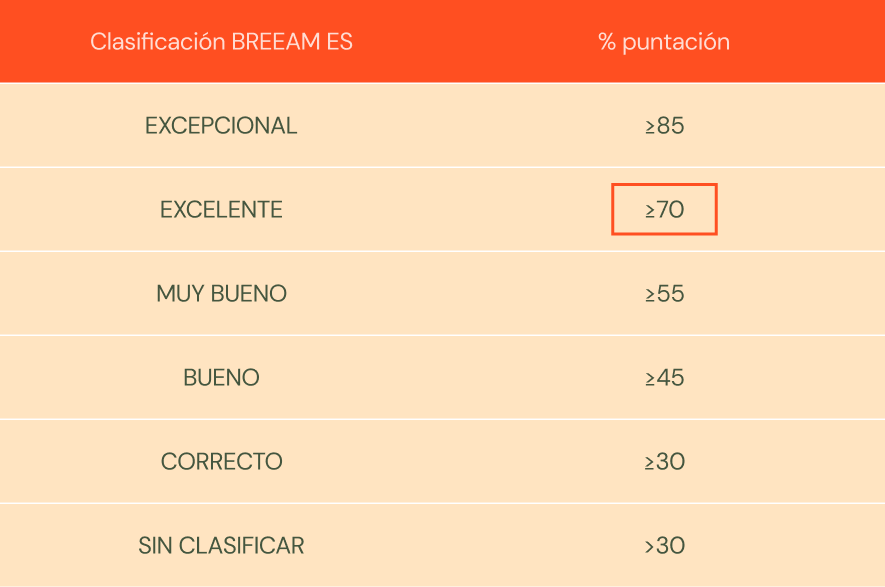
Breeam Excellent
Management
All spaces developed under the AnükHaüs seal will ALWAYS have double A energy rating. The spaces will have excellent thermal insulation, high performance windows, efficient air conditioning systems and the use of renewable energies. This translates into lower energy costs and bills.
Management
It is differentiated into two parts: the efficient management of construction site waste, and the management of waste related to the operation of the building, thus reducing the amount of waste diverted to landfill.
Transportation
Improving people's mobility by providing alternatives to private vehicles and encouraging walking and cycling for healthier lifestyles.
Contamination
It reduces building pollution by reducing greenhouse gas emissions and ozone depletion, avoiding impacts on watercourses due to flooding and reducing light and noise pollution for a more sustainable urban environment.
Water
Reduction of potable water consumption in all uses of the building, promoting water reuse.
Materials
Specification of building materials with low environmental impact throughout the building's life cycle and responsibly sourced.
Health and Wellness
Category oriented to user comfort from different points of view: natural and artificial lighting, thermal and acoustic comfort, indoor air quality and safe access to the building.
Soil ecology
Maintains and enhances the ecological value of the site before and after construction work is carried out
Energy
Promoting buildings that minimize operational energy consumption through appropriate design, thereby reducing CO2 emissions.
Innovation
Allows recognition of improvements in the area of sustainability that are not rewarded through the standard requirements.


BENEFITS
- Efficiency guarantee: A BREEAM building reduces the environmental impact of the building and promotes energy efficiency with consumption savings of between 30 and 70%, with a consequent reduction in CO2 emissions.
- Savings in building maintenance and operation costs: a BREEAM building achieves reductions in water use of up to 40% and reduces operating and maintenance costs by up to 30%.
- Increased user satisfaction and well-being: improvement of the indoor environment and consequently improvement of the living and working conditions of building users.
- Added value: increases functionality, flexibility and useful life and increases property value by 7.5%.
Wellbeing:
spaces that care
To inhabit AnükHaüs is to live in physical, emotional and environmental balance.
Indoor air quality guaranteed by sensors and controlled ventilation.
Thermal and acoustic comfort adapted to each typology.
Natural lighting, biophilia and emotionally balanced design.
Spaces that promote autonomy, interaction and mental health.